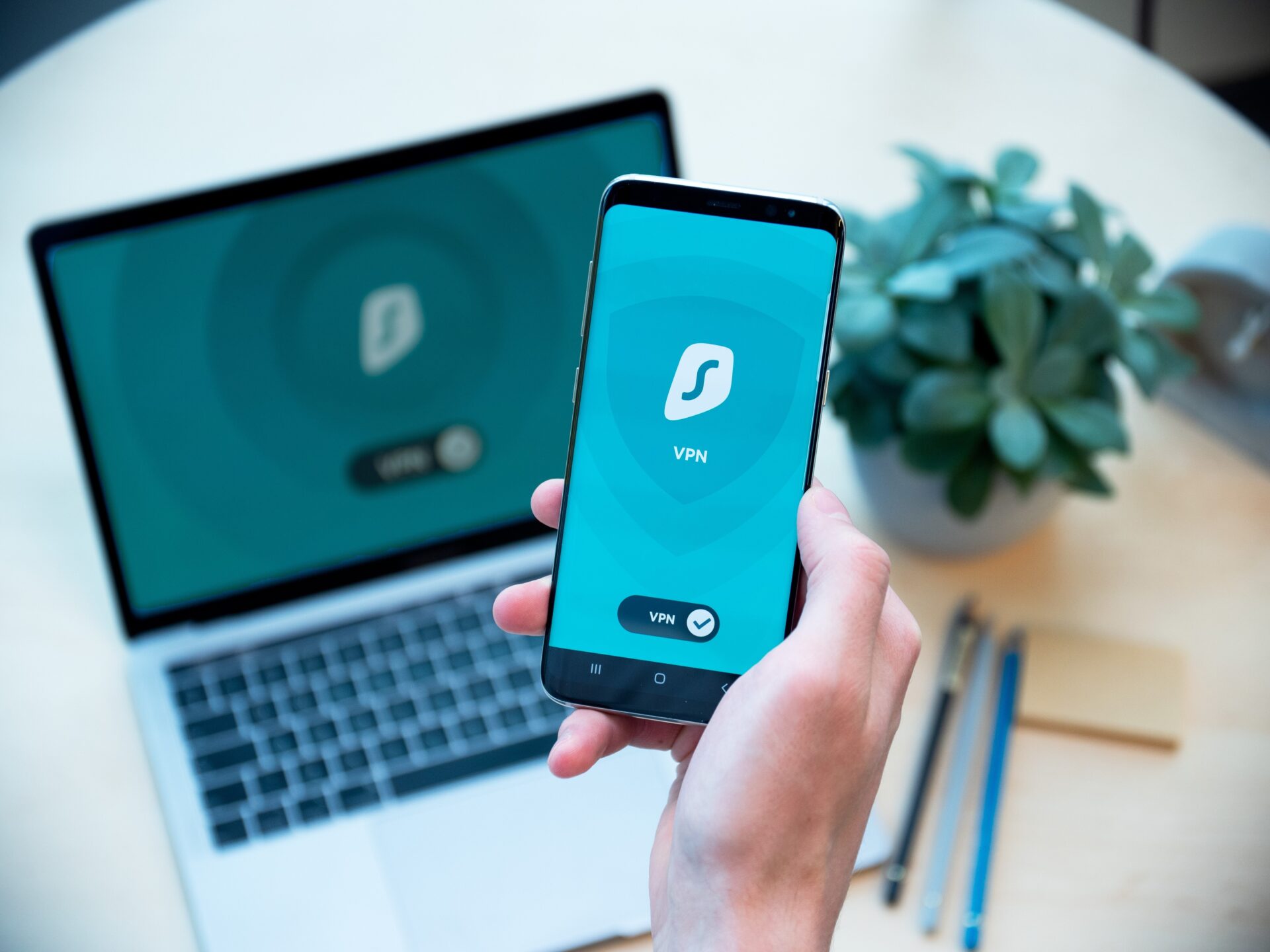


In an age where data breaches and cyber attacks are becoming more common, it’s important to safeguard your online activity. One way to do this is by using a virtual private network (VPN) on your device. A VPN creates a secure connection between your device and the internet, encrypting your data and masking your IP address. But how do you set up a VPN on your device? In just five easy steps, you can get started with a reliable and secure VPN provider. But first, let’s explore why choosing the right provider is crucial and what you need to know about maintaining security while using wireless networks. So sit back, relax, and get ready to learn how to protect yourself online with a VPN in just a few simple steps!
Importance of choosing a reliable, secure VPN provider
When it comes to using a VPN, choosing the right provider is key. Not all VPNs are created equal, and some may even compromise your security instead of enhancing it. That’s why it’s important to do your research and select a reliable, secure VPN provider that you can trust. Look for providers that offer strong encryption, no-logging policies, and other advanced security features to keep your online activity private and protected. And don’t forget about speed – make sure your VPN provider offers fast internet speeds so you can enjoy seamless browsing and streaming. With so many options out there, it can be overwhelming to choose the right one but just remember: a little bit of research goes a long way in keeping you safe online.
Don’t compromise your online security – invest in a top-notch VPN provider today and enjoy browsing the internet without worrying about prying eyes. And if you’re looking for more tips on staying secure while connected, read on to discover the rule of thumb for maintaining security while using wireless networks.
Rule of thumb for maintaining security while using wireless networks
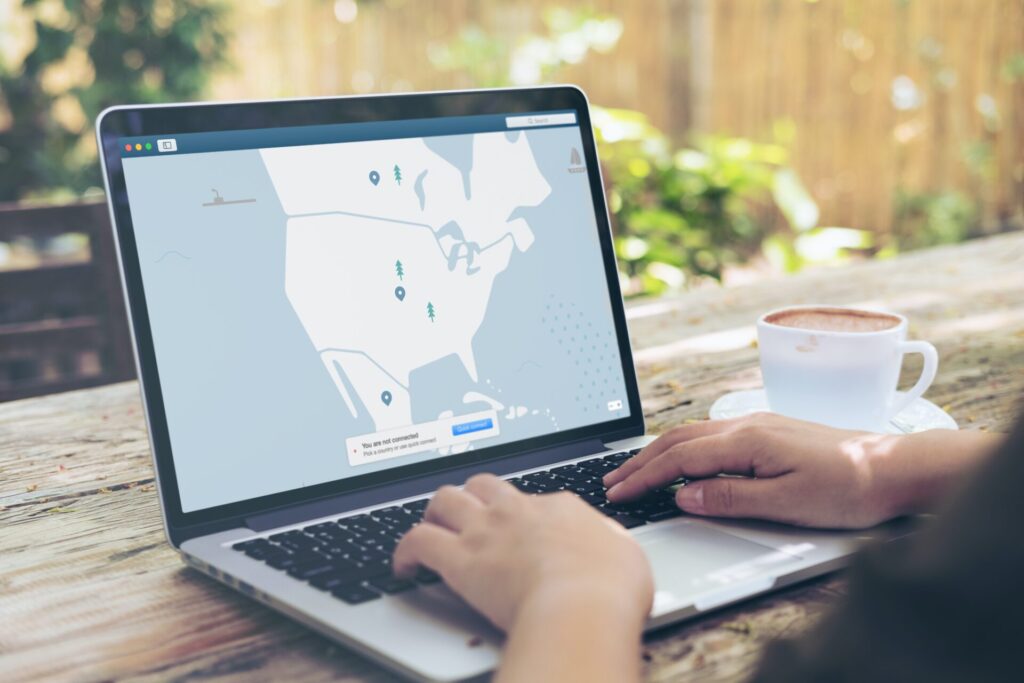
When it comes to using wireless networks, there’s a golden rule you should always keep in mind: never trust them. That’s because wireless networks are notoriously vulnerable to hacks and attacks from cybercriminals, who can easily intercept your data if you’re not careful. So what can you do to stay safe while using Wi-Fi? Start by avoiding public Wi-Fi networks whenever possible, as these are often unsecured and open to anyone with the right tools. If you must use public Wi-Fi, make sure to connect through a VPN connection, which will encrypt your data and keep it safe from prying eyes. Additionally, be sure to update your router firmware on a regular basis and choose a strong password for your network that’s difficult for hackers to guess. By following these simple steps, you can enjoy the convenience of wireless networks without compromising your online security.
So next time you’re tempted to connect to that free public Wi-Fi network, remember: your online security is worth more than the convenience. Invest in a good VPN provider and take the necessary steps to protect your data from cybercriminals. Speaking of which…
Step 1: Choose a VPN provider – but how do you know which one to choose? Keep reading for our expert tips on selecting the best VPN for your needs.
Step 1: Choose a VPN provider
Choosing a VPN provider may seem daunting, but it’s actually pretty easy if you know what to look for. First off, make sure the provider offers a 30-day money-back guarantee so you can try it out risk-free. Look for providers that have strong security features like encryption and a no-logging policy to ensure your online activity remains private. Consider the provider’s physical location and where they store their servers, as this can affect internet speeds and access to certain streaming services.
Check if they offer apps for your device, whether it be an Android device or Amazon Fire TV. And lastly, consider your budget – while some VPNs can be pricey, there are plenty of affordable options out there with great features. By following these tips, you’ll be well on your way to choosing a reliable VPN provider that keeps you safe and secure online.
So, whether you’re looking to bypass internet censorship or just want to keep your online activities private, choosing the right VPN provider is crucial. Remember to take into account security features, server locations, app availability, and budget when making your decision. Now that you know what to look for, let’s dive deeper into researching VPN providers.
Researching VPN providers
Now that you know the basics of choosing a VPN provider, it’s time to start researching some of the top options on the market. A quick Google search will bring up a plethora of providers, so it’s important to filter through them and find the ones that meet your needs.
Some popular VPN providers include NordVPN, ExpressVPN, and CyberGhost. Each of these providers has its own unique features and benefits, so it’s worth taking some time to read reviews and compare prices before making a decision.
When researching VPN providers, pay attention to their server locations and speeds. If you plan on using your VPN for streaming or gaming, you’ll want a provider with servers in locations close to where you live. Additionally, look for providers with strong security features like encryption and a no-logging policy.
Don’t forget to consider your budget as well – while some VPNs can be pricey, there are plenty of affordable options out there with great features.
By doing your research and comparing different VPN providers based on their key features, you’ll be able to make an informed decision about which one is right for you.
Factors to consider when choosing a VPN provider
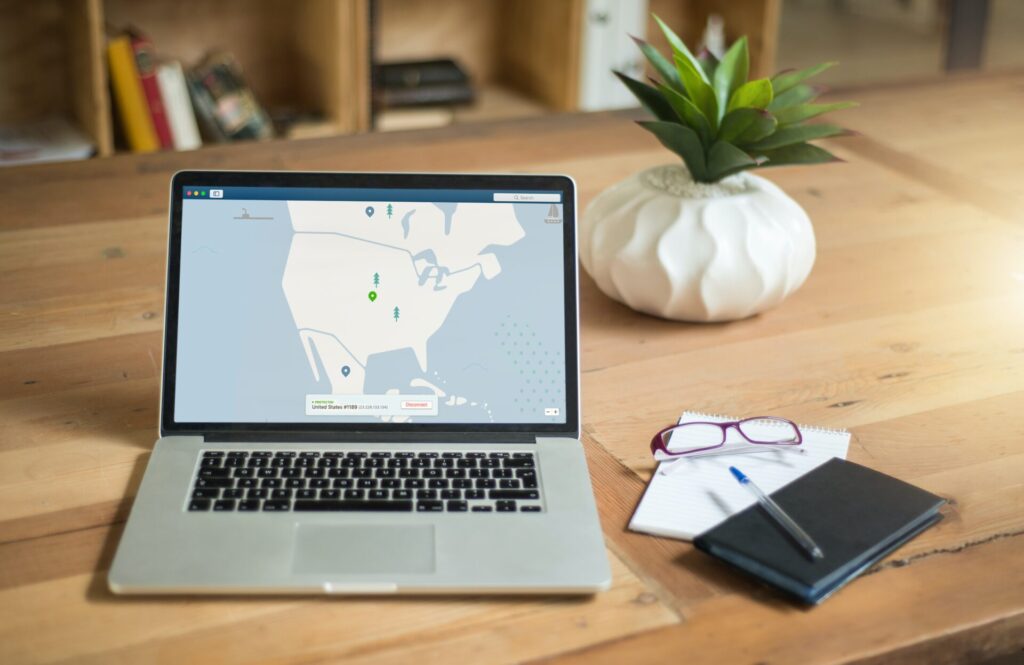
When it comes to choosing a VPN provider, there are a few key factors to consider. First and foremost, you’ll want to look for a provider with strong security features like encryption and a no-logging policy. This will help keep your online activity private and secure.
You’ll also want to consider the provider’s server locations and speeds. If you plan on using your VPN for streaming or gaming, make sure the provider has servers in locations close to where you live. This will help ensure fast internet speeds.
Budget is another important factor to consider – while some VPNs can be pricey, there are plenty of affordable options out there with great features.
When researching different VPN providers, take the time to read reviews and compare prices. Some popular options include NordVPN, ExpressVPN, and CyberGhost – but ultimately, it’s up to you to decide which provider best meets your needs.
As a rule of thumb, always choose a provider with strong security features that fit within your budget. By doing so, you can rest assured that your online activity is protected and secure.
Step 2: Create an account with your chosen VPN provider
Now that you’ve picked a VPN provider that suits your needs, it’s time to create an account. This step is simple and usually just requires filling out a form with your basic information like name and email address.
Once you’ve created an account, you’ll need to choose a subscription plan. Most providers offer monthly or yearly plans, so consider how often you’ll be using the VPN before making your choice.
Don’t forget to take advantage of any deals or promotions the provider may be offering – some even have a 30-day money-back guarantee if you’re not satisfied with their service.
Before finalizing your account setup, make sure to choose a strong password. Use a combination of uppercase and lowercase letters, numbers, and symbols to ensure maximum security.
Once everything is set up, it’s time to download the VPN software onto your device. Some providers may also require you to update your router firmware if you plan on using the VPN on multiple devices.
Overall, creating an account with your chosen VPN provider is easy and straightforward – just follow these simple steps and enjoy secure internet browsing from anywhere in the world.
Take control of your online privacy and security by signing up for a VPN today. With just a few simple steps, you’ll be on your way to browsing the internet safely and securely. In the next section, we’ll explore some additional important considerations when signing up for a VPN provider.
Sign-up process for VPN providers
Signing up for a VPN provider is a breeze! To get started, simply choose a provider that fits your needs and create an account by filling out a basic form with your name and email address. Don’t forget to pick a strong password for maximum security.
Next, select the subscription plan that works best for you – most providers offer monthly or yearly options. Keep an eye out for any deals or promotions they may have going on too!
Once you’ve signed up, it’s time to download and install the VPN software onto your device. Some providers may require you to update your router firmware if you plan on using the VPN on multiple devices.
Overall, signing up for a VPN is quick and easy. With just a few simple steps, you can enjoy secure internet browsing from anywhere in the world. So take control of your online privacy and sign up for a VPN today.
Step 3: Download and install the VPN app on your device
Now that you’ve signed up for a VPN provider, it’s time to download and install their app onto your device. This step is crucial for creating a secure connection between your device and the VPN server.
First, head to the provider’s website and navigate to their download page. From there, select the app version that matches your device – whether it’s an Android phone or Amazon Fire TV.
Once you’ve downloaded the app, follow the step-by-step instructions provided by the VPN provider. This will typically involve accepting any required permissions and agreeing to their terms of service.
After installation is complete, open up the app and log in using the account details you created during sign-up. You’ll then be able to connect to a VPN server of your choosing in just a few clicks.
It’s important to note that connecting to a VPN may slightly impact your internet speeds, but this varies depending on your physical location and internet service provider. As a rule of thumb, regularly checking your internet speeds while connected to a VPN can help ensure optimal performance.
Don’t forget that many VPN providers offer 30-day money-back guarantees if you’re not satisfied with their service – so give it a try! With added security features and access to private networks, setting up a VPN on your device is definitely worth considering for safer online activity.
In a world where online privacy is becoming increasingly important, using a VPN on your device can give you peace of mind and protection. So why wait? Download and install your chosen VPN app today to start browsing with confidence.
Compatibility with mobile devices and Android devices
If you’re like most people, your phone is probably always within arm’s reach. And if you’re looking to use a VPN on the go, it’s good to know that many providers offer compatible apps for both mobile and Android devices.
Whether you’re using a smartphone or tablet, setting up a VPN on your device can be quick and easy. Just follow the simple steps provided by your chosen provider and you’ll be connected in no time.
One thing to keep in mind is that not all apps are created equal – so it’s important to choose a VPN provider that offers reliable and secure services across all platforms.
Additionally, some devices may require additional setup or configuration depending on their router firmware or wireless network settings.
But with a strong password and regular updates, using a VPN on your mobile device or Android system can offer added protection against data theft and enable access to streaming services that may not be available in your region.
So why not give it a try? With many providers offering free trials or money-back guarantees, there’s no reason not to start browsing securely today.
Router firmware compatibility for private networks
Hey there! If you’re looking to set up a VPN on your home network, it’s important to make sure that your router firmware is compatible with the service you choose.
Why does this matter? Well, if your router isn’t supported, you may encounter issues with connecting or experience slower internet speeds. Not fun, right?
The good news is that many VPN providers offer step-by-step instructions for setting up their services on various routers and firmware versions. And if you’re not tech-savvy, don’t worry – some even offer remote assistance to help get you connected.
As a rule of thumb, it’s always a good idea to check with your provider before making any changes to your network settings. This can help ensure that everything runs smoothly and without any hiccups.
So why bother with all this fuss? Well, using a VPN on your private network can provide added security features and protect against data theft. Plus, it can give you access to content that may be restricted in your physical location.
Just remember: regular updates and strong passwords are key to keeping your information safe online. Happy browsing!
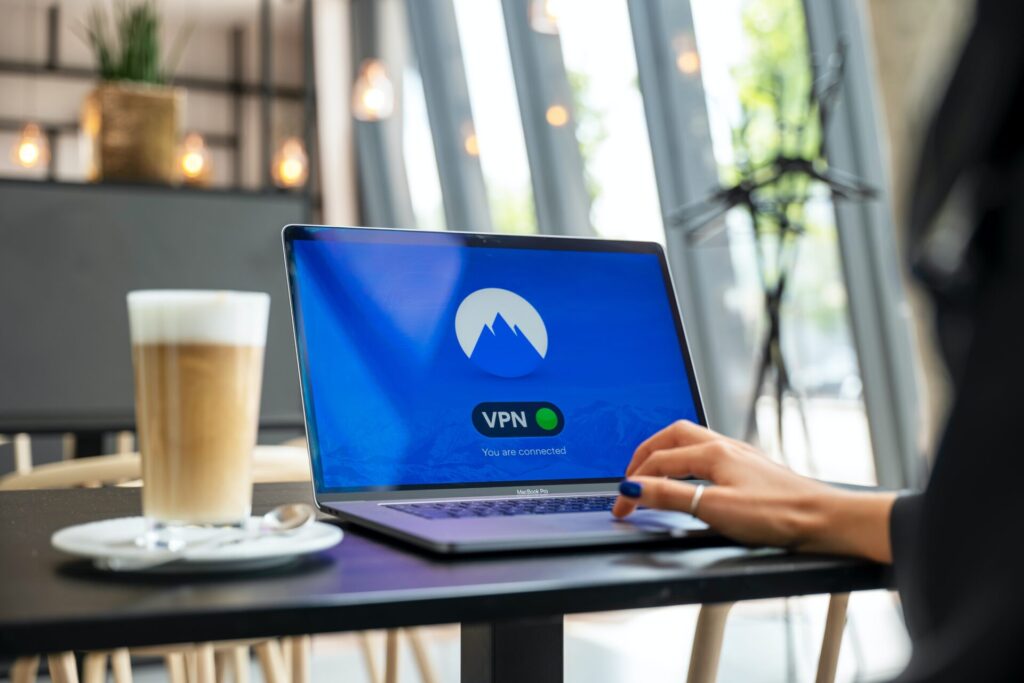
Step 4: Connect to the VPN network
Now that you’ve got your VPN set up on your device, it’s time to connect to the network. Don’t worry, it’s super easy!
First, make sure you’re connected to a Wi-Fi network (or mobile data) before turning on the VPN connection. Then, open up your VPN app and sign in with your account information.
Once you’re signed in, select the server location you want to connect to. This can be anywhere in the world depending on what you need it for – accessing streaming services or keeping your online activity private.
Hit that connect button and wait for a few seconds as the VPN establishes a secure connection. And voila! You’re now browsing with added security and privacy.
If you ever need to disconnect from the VPN, simply go back into the app and hit disconnect.
So there you have it – just 5 simple steps to setting up a VPN on your device. And if you’re not satisfied with your chosen provider, most offer a 30-day money-back guarantee so you can try out different options.
Protecting your online privacy and security has never been easier with these 5 simple steps to setting up a VPN on your device. Now, before you connect to that Wi-Fi network, make sure you read our next section to learn about the requirements for a secure connection.
Wi-Fi network requirements
Before connecting to a Wi-Fi network, it’s important to make sure you have the right requirements for a secure connection. First off, check if your internet service provider (ISP) has enabled IPv6 on your router firmware – this will ensure that your device is using the most current and secure version of IP addresses.
Next, consider the physical location of the wireless network. Public Wi-Fi networks in crowded areas can be risky because they’re more susceptible to hacking attempts. If possible, opt for private networks or create your own hotspot with your mobile device.
Lastly, try to connect to a Wi-Fi 6 network if available. This newer standard offers faster internet speeds and stronger security features compared to older versions.
The rule of thumb when it comes to securing your online activity is to regularly update passwords and software, as well as be mindful of what information you share online. By following these simple steps and taking precautions when connecting to Wi-Fi networks, you can browse with added peace of mind.
Connecting to the internet using a VPN connection
If you’re looking for a way to keep your online activity private and secure, setting up a VPN connection on your device is the way to go. A VPN, or virtual private network, creates an encrypted connection between your device and the internet, making it harder for anyone to snoop on your browsing habits or steal your sensitive information.
Here’s how to set up a VPN in just 5 easy steps:
1. Choose a VPN provider that suits your needs and budget. Look for one with a 30-day money-back guarantee so you can try it out risk-free.
2. Download and install the VPN app on your device.
3. Open the app and log in with your account details.
4. Select a server location from the list provided by the app. This will help mask your IP address and make it look like you’re browsing from another location.
5. Connect to the internet as usual, but now with added privacy and security thanks to your new VPN connection!
Whether you’re using an Android device or Amazon Fire TV, setting up a VPN is simple if you follow these step-by-step instructions. Just remember to choose a strong password for your account and use it regularly to stay protected when connecting to wireless networks or streaming services online.
Step 5: Verify your connection is secure and working properly
Now that you’ve set up your VPN, it’s important to make sure it’s working properly. The last thing you want is to think you’re browsing privately only to find out later that your connection was compromised.
To verify your connection, start by checking the VPN app to see if it shows that you’re connected. Then, visit a website like whatismyip.com to confirm that your IP address has changed and matches the location of the server you selected.
Another way to ensure your connection is secure is to check for security features like a kill switch or DNS leak protection in the VPN app settings. These will help prevent any accidental leaks of your information.
As a rule of thumb, it’s always a good idea to test your VPN on a regular basis, especially if you’re using public Wi-Fi networks or traveling frequently. And with new advancements like Wi-Fi 6, which offers faster internet speeds and improved security protocols, there’s never been a better time to protect yourself online.
Remember, a VPN is only effective if it’s working properly, so take the time to double-check your connection and settings. And speaking of checking, in the next section, we’ll show you how to verify that your IP address is truly hidden.
Checking if your IP address is hidden
So, you’ve set up your VPN and want to make sure your IP address is truly hidden? It’s always a good idea to double-check!
One easy way to check is by visiting a website like whatismyip.com or iplocation.net. These sites will display your current IP address and location. If it matches the server location of your VPN provider, then you’re good to go!
Another option is to use a browser extension like WebRTC Leak Shield or IPv6 Leak Protection. These extensions help prevent accidental leaks of your information by blocking certain protocols that reveal your true IP address.
Lastly, if you really want to be sure that your IP address is hidden, try using a Tor browser along with your VPN. This will add an extra layer of encryption and anonymity to your online activity.
Remember, protecting yourself online is all about being proactive and staying informed. So take the time to check and double-check that your VPN is doing its job in keeping you safe and secure.
Regularly reviewing online activity and physical location
It’s important to regularly review your online activity and physical location when using a VPN. This ensures that you’re always protected and your privacy is maintained.
As a rule of thumb, it’s good to check your VPN connection at least once every few weeks. This will help you stay on top of any potential issues or leaks.
Additionally, make sure to review your physical location when using a VPN. If you’re traveling or frequently switching between locations, it’s easy to forget to update your VPN settings accordingly. So take the time to double-check that everything is set up correctly.
By regularly reviewing your online activity and physical location, you can ensure that your private information stays safe and secure. And with features like strong passwords and 30-day money-back guarantees, setting up a VPN has never been easier!
Testing internet speeds with and without a VPN
If you’re using a VPN and experiencing slow internet speeds, it’s important to test your speeds with and without the VPN. This can help you determine if the VPN is causing the slowdown or if it’s just your internet connection.
To test your speeds, start by connecting to your usual Wi-Fi network without the VPN. Use a speed-testing website or app to check your download and upload speeds. Write down these results.
Next, connect to the same Wi-Fi network with the VPN turned on. Once again, use a speed-testing website or app to check your download and upload speeds. Compare these results to the ones you wrote down earlier.
If there’s a significant difference between the two sets of results, then it’s likely that your VPN is slowing down your internet connection. You may want to try switching to a different server location or contacting your VPN provider for support.
Remember that internet speeds can also be affected by factors like router firmware and network congestion, so it’s always good to try troubleshooting different areas before assuming that it’s solely due to the VPN.
Conclusion
In conclusion, setting up a VPN on your device is easier than you might think. Just follow these simple steps: choose a VPN provider with strong security features and a 30-day money-back guarantee, download the app onto your device, create a strong password, select a server location that’s closest to your physical location or the one that best suits your online activity, and connect to the VPN.
Remember to test your internet speeds with and without the VPN to ensure that it’s not causing any slowdowns. And as a rule of thumb, it’s always good to change your passwords regularly and avoid using public Wi-Fi networks when possible.
Whether you’re using an Android device or Amazon Fire TV, setting up a VPN can help protect your online privacy and bypass geo-restrictions for streaming services. And with the latest wireless technology like Wi-Fi 6, you can enjoy even faster speeds while staying secure online.